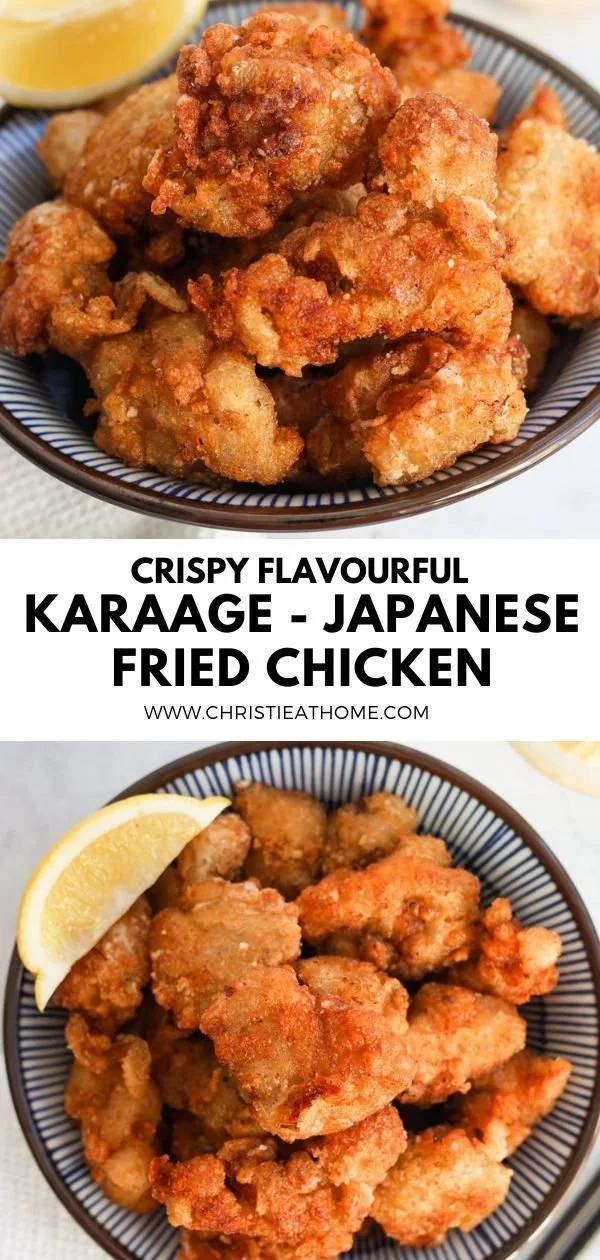
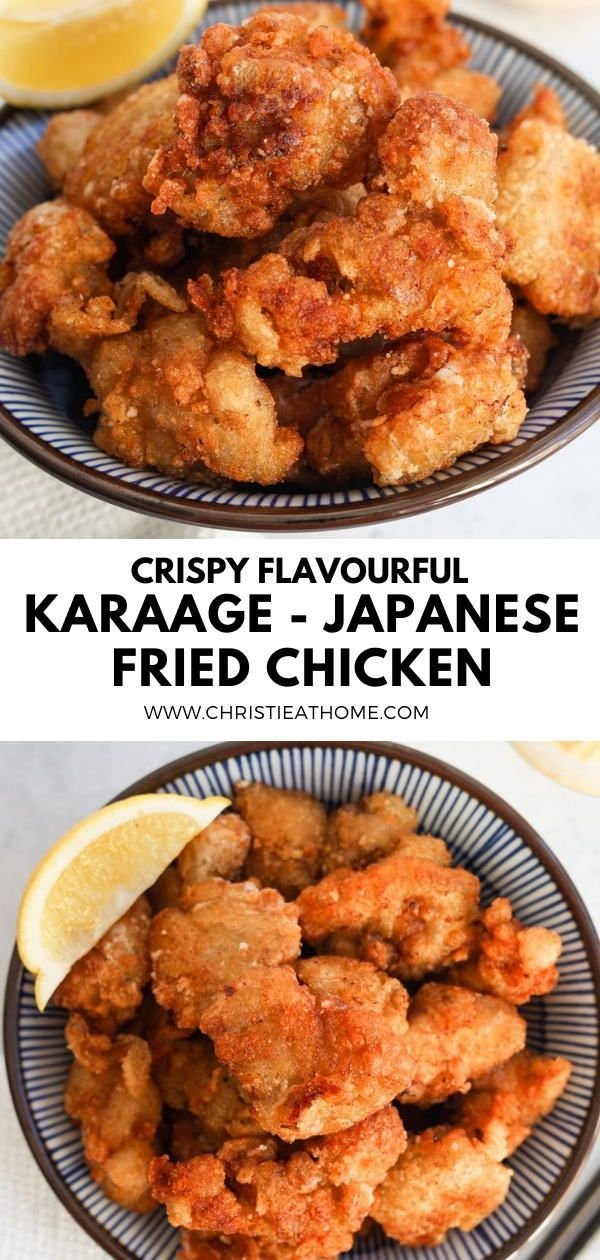
Karaage, or Japanese Fried Chicken, is a delightful dish that’s both crispy and juicy, making it an irresistible addition to any meal. This recipe is not just easy to follow but also packed with flavor, thanks to the marinade of soy sauce, sake, and ginger. Perfect as a snack or paired with rice and vegetables, this dish will have everyone asking for seconds.
Why You’ll Love Karaage
- Crispy Yet Tender: The potato starch coating gives the chicken an incredibly crispy texture while keeping the meat juicy inside.
- Flavorful Marinade: The combination of soy sauce, sake, and ginger infuses the chicken with rich umami flavors that make each bite satisfying.
- Quick to Prepare: With just a few simple steps and minimal prep time, you can have this dish ready in less than an hour.
- Versatile: Serve it as an appetizer, in a bento box, or as part of a family meal—Karaage is always a hit.
- Perfect for Meal Prep: These fried chicken pieces freeze well, making them a convenient option for busy weeknights.
Recipe Overview
- Prep Time: 30 minutes (plus marination time)
- Cook Time: 15 minutes
- Total Time: 45 minutes (plus marination)
- Servings: 4
- Difficulty Level: Easy
Ingredients You’ll Need for Karaage
-
Chicken:
- 500g chicken thighs, boneless, skinless
-
Marinade:
- 1/4 cup soy sauce
- 1 tablespoon sake
- 1 tablespoon mirin
- 2 garlic cloves, minced
- 1 tablespoon ginger, grated
-
Coating:
- 1 cup potato starch or cornstarch (for extra crunch)
- Vegetable oil for frying
-
Serving:
- Lemon wedges for serving (adds fresh acidity)
How to Make Karaage
- Prepare the Chicken: Cut the chicken thighs into bite-sized pieces and set them aside.
- Mix the Marinade: In a bowl, combine soy sauce, sake, mirin, garlic, and ginger. Stir until well blended.
- Marinate the Chicken: Add the chicken pieces to the marinade. Make sure each piece is coated and let it sit for at least 30 minutes. For deeper flavor, let it marinate longer if possible.
- Heat the Oil: In a deep pan or fryer, heat vegetable oil to 170°C (340°F). Use a thermometer for accurate temperature to avoid greasy chicken.
- Coat the Chicken: Dredge the marinated chicken pieces in potato starch, shaking off excess to ensure a light coating.
- Fry the Chicken: Fry the chicken in batches, making sure not to overcrowd the pan. Cook for about 5-7 minutes or until golden brown and crispy.
- Drain: Remove the fried chicken from the oil and place it on paper towels to drain excess oil.
- Serve Hot: Serve the Karaage hot, accompanied by lemon wedges for a zesty kick.
Tips for Success
- Choose the Right Chicken: Thighs are ideal for this recipe as they stay juicy and tender. Avoid breasts, as they can dry out quickly.
- Monitor Oil Temperature: Keeping the oil at the right temperature is crucial. If it’s too low, the chicken will absorb too much oil; too high, and the outside will burn before the inside cooks.
- Fry in Batches: To maintain oil temperature, avoid overcrowding the pan. Frying in smaller batches ensures even cooking.
- Use Fresh Ingredients: Fresh garlic and ginger contribute to the best flavors, so avoid pre-minced variants if possible.
- Cool Before Storing: If you plan to save leftovers, let the chicken cool down completely before storing to avoid steaming.
Easy Variations
- Spicy Karaage: Add a teaspoon of chili flakes or a splash of Sriracha to the marinade for a spicy kick.
- Vegetable Option: Substitute chicken with firm tofu or cauliflower for a vegetarian twist. Adjust cooking time as needed.
- Herb Infusion: Add fresh herbs such as cilantro or green onions in the marinade for added depth and freshness.
- Make It Sweet: Add a tablespoon of honey or sugar to the marinade for a sweet touch that balances the savory flavors.
What to Serve with Karaage
- Steamed Rice: A classic pairing that helps soak up the delicious juices.
- Japanese Cabbage Salad: The crunchiness of the salad adds a refreshing contrast.
- Pickled Vegetables: Serve with pickled daikon or other vegetables for a tangy bite.
- Miso Soup: A warm bowl of miso soup complements the meal perfectly.
- Noodles: Toss in some soba or udon for a heartier option.
Storage and Reheating
- Refrigerator Storage: Store leftover Karaage in an airtight container in the fridge for up to 3 days.
- Freezer Storage: For longer storage, freeze the fried chicken in a single layer, then transfer to a freezer bag for up to a month.
- Reheating: To maintain crispiness, reheat in an air fryer or a hot oven (around 180°C/350°F) for 10-15 minutes.
- Meal Prep Note: Marinate the chicken ahead of time and fry just before serving for freshly made goodness.
Common Mistakes to Avoid
- Not Marinating Long Enough: For the best flavor, allow the chicken to marinate longer when possible.
- Wrong Oil Temperature: Always check the oil temperature before frying to avoid soggy chicken.
- Overcrowding the Fryer: Fry in batches to ensure even cooking and crispiness.
- Skipping the Drain Step: Letting fried chicken sit on paper towels is essential to remove excess oil for a better texture.
Karaage: Background & Cultural Inspiration
Karaage is a popular dish in Japan, often found in homes and restaurants across the country. It’s typically enjoyed as a comfort food or a side dish in bento boxes. The word "karaage" literally refers to the method of frying, and the dish has evolved from regional variations over the years. Traditionally, the marinade often includes sake and soy sauce, which reflect the umami profile prevalent in Japanese cuisine. This dish is a staple that emphasizes the harmony of flavors, providing a delightful contrast between the crispy exterior and tender chicken.
Frequently Asked Questions
Can I use chicken breasts instead of thighs?
Yes, but chicken thighs are preferred for their juiciness. If using breasts, be careful not to overcook them.
How do I make this dish gluten-free?
You can use gluten-free soy sauce and ensure your cornstarch is also gluten-free for a delicious gluten-free option.
Can I prepare this dish ahead of time?
Absolutely! You can marinate the chicken a day in advance and fry it fresh the next day.
How spicy is Karaage normally?
Traditionally, Karaage is not spicy, but you can easily add spice to the marinade if you prefer.
What should I do with leftover Karaage?
Store any leftovers in the refrigerator and reheat in an air fryer or oven to restore crispiness.
Final Thoughts
Karaage is a wonderful recipe that brings the joy of Japanese cuisine into your home. With its flavorful marinade and crispy texture, it’s perfect for any occasion, from family dinners to casual gatherings. Give this recipe a try; its ease and versatility will make it a favorite in your kitchen, and you might find yourself making it again and again!
PrintKaraage (Japanese Fried Chicken)

Crispy and juicy Japanese Fried Chicken marinated in soy sauce, sake, and ginger, perfect as a snack or meal.
- Prep Time: 30 minutes
- Cook Time: 15 minutes
- Total Time: 45 minutes (plus marination)
- Yield: 4 servings
- Category: Main Course
- Method: Frying
- Cuisine: Japanese
- Diet: Pescatarian
Ingredients
- 500g chicken thighs, boneless, skinless
- 1/4 cup soy sauce
- 1 tablespoon sake
- 1 tablespoon mirin
- 2 garlic cloves, minced
- 1 tablespoon ginger, grated
- 1 cup potato starch or cornstarch
- Vegetable oil for frying
- Lemon wedges for serving
Instructions
- Prepare the chicken: Cut the chicken thighs into bite-sized pieces and set them aside.
- Mix the marinade: In a bowl, combine soy sauce, sake, mirin, garlic, and ginger. Stir until well blended.
- Marinate the chicken: Add the chicken pieces to the marinade. Make sure each piece is coated and let it sit for at least 30 minutes.
- Heat the oil: In a deep pan or fryer, heat vegetable oil to 170°C (340°F).
- Coat the chicken: Dredge the marinated chicken pieces in potato starch, shaking off excess.
- Fry the chicken: Fry in batches for about 5-7 minutes or until golden brown and crispy.
- Drain: Remove from the oil and place on paper towels to drain excess oil.
- Serve hot, accompanied by lemon wedges for a zesty kick.
Notes
For a spicy twist, add chili flakes to the marinade. Marinate chicken beforehand for deeper flavor.